
Six Creative Practices I Return To and Why You Might Need Them Too.
The Journey I Take to Stay Focus and Inspired

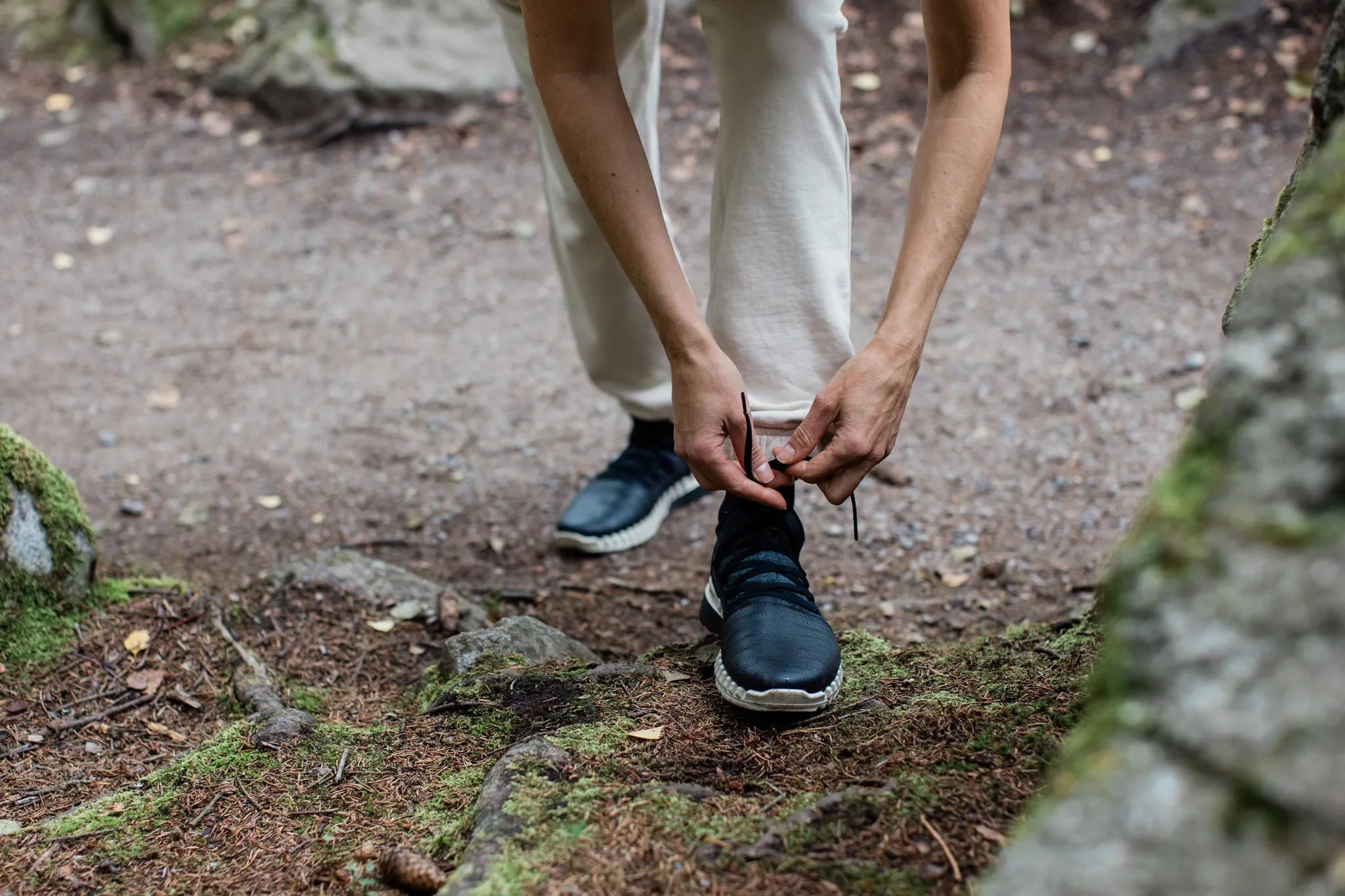
In a loud world, clear thinking is one of the greatest assets. We live in a fast-paced reality where being reactive often outweighs being proactive, leading to a loss of clarity and a continuous loop. In these loops, ironically, the more we push ourselves to keep moving, the easier it is to lose sight of the bigger picture. We can’t find clarity without first creating space for it. The truth is, we always have the chance to pause and choose how we move through.
It’s like a dance. It is finding our sweet spot between the fast and slow. Think about the seasons, and how they work and intertwine. Spring is needed for ideas to flourish. Winter gives nature space to rest and regain strength for the next spring. It’s like cells in our bodies: growing indefinitely, they can lead to disease.
There’s always that time of the week or month we neglect to stop. Here is a reminder to keep going, stay inspired, and keep clarity while interacting with systems that keep shifting in unpredictable ways.
Here are six practices to sustain our creative spark if we want to make a meaningful impact and contribute to the world.
1. The Inspiration Practice: Curate What Fuels You
Our creativity runs dry when we only pour out and never pour in. Inspiration is not passive consumption; it is actively noticing things and events. Research from Aalto University shows that exposing ourrself to diverse stimuli like reading, observing, and experiencing sparks new neural connections and enhances creativity and positive emotion.
Visit an exhibition that inspires us. Have a conversation that challenges our assumptions and leaves us changed. Explore new sites that offer perspectives we’re curious about. Novelty fuels idea generation.
Algorithms feed what’s familiar — our role is to seek what expands us.
In the age of endless input, discernment becomes an art.
Choose inspiration that feels like oxygen, not noise.
2. The Sensory Practice: Return to Your Body
Our body is our most underused creative tool. Walk barefoot on grass. Run in the forest and listen to the sounds. Cook whole foods slowly. Shape clay, wood, or fabrics. Or rearrange our space so it fits the phase we’re in.
Barbara Tversky, in her book Mind in Motion, reminds us that thinking is in our body, too. The way we interact with our surroundings shapes how we imagine, understand, and create the world. When we pay attention to our body and senses, we give our mind richer material to work with. Some insights can’t be reached by sitting and thinking alone.
The senses are the original interface between inner and outer worlds. Move. Touch. Smell. Taste. Listen. Let our environment, materials, and body guide ideas in real time. Notice how our creativity flourishes.
3. The Experiment Practice: Stay in Motion
Experimentation is the antidote to stagnation. TU Delft research on positive emotional design (Yoon et al., 2014) shows that exposure to new and unexpected stimuli enhances positive emotions, broadens thinking, and supports creative breakthroughs.
Try the idea we bookmarked months ago. Make music. Build something imperfect. Test a ritual for focus or rest.
The moment we stop experimenting is the moment our creativity starts to fossilize.
Innovation is about curiosity. We can let ourselves be surprised by what we discover.
4. The Connection Practice: Create in Community
Creativity thrives in connection. The modern creator economy thrives on community, feedback, and support networks. Creators who engage with peers, co-create, and learn from each other are more likely to innovate and sustain their work over time. Ollie Forsyth highlights this aspect at The Creator Economy.
Find our creative kin — those who challenge our comfort zones, hold us accountable, and expand our perspective. Community keeps our ideas alive and our vision in perspective.
5. The Creation Practice: Protect Deep Time
Dedicate a day to deep focus. Movement is not progress. Networking, learning, and planning are useful, but our power is in doing the work. We can treat this as our most valuable resource.
Research on flow (Csikszentmihalyi, 1990) shows that deep, uninterrupted engagement in meaningful work brings intrinsic joy and better outcomes. When we immerse ourselves, time stretches, ideas flow, and our work gains clarity.
Think of our creative time as strategic depth work, a cornerstone of clarity and impact.
6. The Reflection Practice: Integrate Before You Move On
Reflection turns doing into learning. Without it, we repeat patterns; with it, we notice what works, what doesn’t, and where to go next. Pausing to look back, we can ask: What have we created? What surprised us? What is inviting us to evolve?
Research shows that reflecting on our practice helps consolidate learning and transforms deeper learning into insights.
Setting aside time at the end of each week or month to review our work helps us gain insight and build confidence in moving forward. What inspired us? What felt successful? Where did we get stuck? These insights can guide our next steps.
This is how experience becomes real wisdom—and wisdom is the secret sauce of sustainable leadership.
As the world speeds toward its next upgrade, creative power lies in staying human enough to feel, notice, and create what truly matters and what we want to see next.
Slow isn’t the opposite of progress.
It’s how we consciously lead the future.
Discover how to integrate these practices into your time, so creativity, clarity, and focus become your default, not a rare event.
Thanks for the reminder to take in a wider variety of experiences to spark those connections - an energising piece, Alexandra.
I'm focused on experimenting - typically a dozen experiments concurrently. Almost all with a collaborator ie one collaborator per experiment. It's my favorite learning hack. Thanks for sharing the others too. Super interesting to see them ✨